
It’s the hassle that no one wants – you put the heating on, only to discover that one room just isn’t getting warm. There’s a problem with the radiator, and it doesn’t seem to be working. This is a fairly common issue – more so in older houses without modern plumbing systems – but it can still be annoying, especially as it always seems to happen at the worst possible time. So if your radiator is getting half hot, or not hot at the top of the radiator or the bottom, you’ll need to know why that radiator isn’t working and what you can do about it.
Help! Why Is One Of My Radiators Not Working?
It can be a shock when you find your radiator going cold, but there are a few straightforward steps you can take to make sure that you’ll be back to a warm, cosy home in no time. When a radiator isn’t heating up, it can be done to a wide range of issues, so it’s really a process of elimination in order to find the problem. Sometimes simple actions like bleeding the radiator can work, at other times you may need a plumber to help adjust the system.
Common Radiator Problems
The heating systems in our homes work hard, so little wonder they sometimes encounter an issue. These are the most commonly found problems with radiators that won’t heat up:
- Faulty timer or programmer not signalling the radiator to come on
- Issues with your boiler not working properly
- Open radiator valves
- Blocked radiator valves
- Air pockets in the system – radiator needs bleeding
- Motorised diverter valve malfunction
- Lockshield valve is faulty
Working your way through this checklist can help you quickly discover what the problem is and decide how easily it can be fixed.
How To Check If The Radiator Is Working
When you discover that your home isn’t heating up, the first step is to check if the radiators are working, or if it’s a problem with your boiler. Follow these steps to find the cause of the problem. Start by checking to see if it’s just one (or a couple) of radiators which aren’t getting hot, or all of them. Switch everything on to test the system. If nothing heats up, then the problem is with your boiler, pipework or central heating system. This will require further investigation by a qualified plumber.
How To Check The Timer Is Working
Radiator issues can quite often be down to a faulty timer. This is quite an easy fix to make. Start by ensuring that the system is turned on and that the thermostat is turned up. Things like a power cut or the clocks going back or forward might have affected the timer, or the settings may be incorrect.
How To Check The Valve
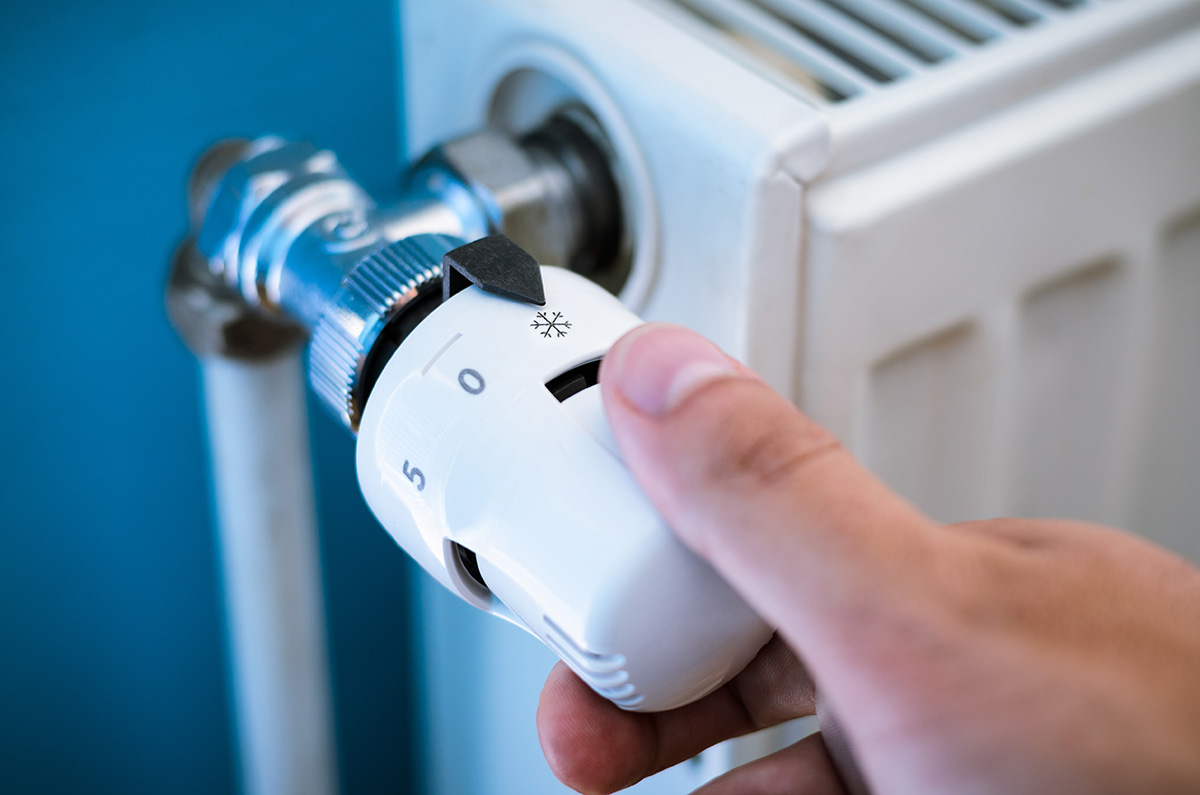
If no part of the radiator is heating up, then it may be that you need to check the valves. Take a look to make sure that the thermostatic valve and the lockshield valve are both open and operational. Remove the top of the valve head to check that the pin inside the thermostatic valve can move up and down freely. If it’s stuck, try tapping it to free up the movement again and get it working. Moving on to the lockshield valve, this controls the flow of hot water into the radiator – unlike the thermostatic valve, it needs to be fixed with a valve adjusted, so it’s time to call a qualified engineer if this is the source of the problem.
How To Fix Blocked Valves
Sometimes, your radiators can suffer a build-up of a substance called Magnetite, which looks like a black residue. This needs to be flushed out by a Gas Safe registered engineer doing a Powerflush procedure. This works by the engineer flushing a special chemical mixture through your heating system using high pressure to flush out any substance build-up and make your heating system operate properly again.
How To Bleed A Radiator
A very common cause of cold radiators is air trapped in the system. So if it’s only one radiator not heating up, try this first. If the radiator is not getting hot at the bottom, it’s likely to be due to trapped air in the radiator. This is usually an issue when you first turn your heating system back on after the summer. Bleeding your radiators is fairly straightforward. Use a radiator key to unscrew the bleed screw part way. When you hear a hissing sound, stop at once and wait for the sound to fade away. When water starts coming out, close the bleed screw again.
What To Do If One Radiator Is Not Working
If you have worked through all these steps and you still cannot see what the problem is, it’s time to call out a plumber to take a closer look at the system. There is only so much you can do at home, and a lot of heating systems require someone with the right qualifications to quickly find and fix the problem. So if you’ve checked the timer, looked at the valves, taken steps to bleed the radiator, and it’s still not warming up, book a home visit for an engineer to investigate the problem and have your home warm again in no time.